Plan a skippered sailing holiday in Croatia for 2027: day-by-day Split to Hvar route, best months, sea temperatures, costs in £ and flights from the UK.
Croatia has become one of the UK’s favourite places for a sailing holiday, and it is easy to see why. More than a thousand islands are scattered along the Dalmatian coast. Passages between them are short, harbours are full of stone towns and konobas serving grilled fish, and the water is so clear you can see your anchor on the seabed. Flights from the UK to Split take around two and a half hours.
This guide covers everything you need to plan a skippered sailing holiday in Croatia for 2027. It includes a day-by-day itinerary from Split to Hvar, when to go, what it costs, how to get there from UK airports, and which other Croatian routes are worth considering.
Why choose Croatia for a sailing holiday?
Few sailing areas in the world pack so much into such a small space. Around Split, a day’s sail rarely means more than three or four hours on the water, which leaves plenty of time for swimming, lunch at anchor and an evening in port. Even complete beginners find the rhythm easy.
- Short hops: islands such as Šolta, Brač, Hvar and Vis sit within easy reach of each other.
- Reliable summer weather: long, sunny days, with around 10–11 hours of sunshine daily in midsummer.
- Clear, warm water: the sea around Hvar averages 24 °C in July and August.
- Variety: party nights in Hvar Town, deserted coves on Vis, Venetian architecture, vineyards and national parks.
- Easy for Brits: English is widely spoken, Croatia uses the euro, and there are plenty of seasonal flights from UK airports.
Our Croatia sailing weeks open in 2027, and pre-registration is now open for all three routes.
The 7-day Split & Hvar itinerary
Our flagship Split & Hvar week follows a loop that mixes the famous names with quieter islands. The route is Split, Šolta, Vis, Stiniva, Hvar, the Pakleni Islands and Bol. Your skipper will adapt it to the wind and to your group, but here is how a typical week flows.
- Day 1 · SplitBoard from 17:00, meet your skipper, stow your bags and walk into Diocletian’s Palace for dinner.
- Day 2 · ŠoltaA gentle first sail to Šolta’s quiet bays. Swim stop, lunch on board, and a night in a sheltered cove or at Maslinica.
- Day 3 · VisThe longest open-water leg of the week, out to the remote island of Vis. Evening in Vis Town or Komiža.
- Day 4 · Stiniva & BiševoSwim at Stiniva cove and, sea permitting, visit the Blue Cave on nearby Biševo.
- Day 5 · Hvar TownCross to Hvar for its harbour, fortress views and lively nightlife.
- Day 6 · Pakleni Islands & BolA lazy morning in the Pakleni Islands, then on to Bol on Brač, home of the Zlatni Rat beach.
- Day 7 · SplitSail back to Split and disembark by 10:00.
Day 1: Split, where the week begins
Weeks run Saturday to Saturday. You can board from 17:00 on day one, which gives you time to fly in from the UK the same day. Your skipper will run through the safety briefing, show you how everything works on board, and talk through the plan for the week.
Split itself is worth an evening. The old town is built into and around a Roman emperor’s palace, and its alleys are packed with bars and restaurants. If your flight lands early, a stroll along the Riva promenade is the perfect way to ease into holiday mode.
Day 2: Šolta, the gentle start
Šolta lies a short hop west of Split and is often overlooked by visitors rushing to Hvar. That is exactly why it makes such a good first stop. Bays such as Nečujam and the narrow inlet of Maslinica are calm and green, perfect for a first swim off the boat. Many first-timers are surprised by how quickly they feel at home on board. By the end of day two, most people are happily helping with lines and fenders.
Day 3: Vis, the faraway island
Vis is the most distant of the central Dalmatian islands. It was a Yugoslav military base and closed to foreign visitors until 1989, which helped preserve its slower pace and unspoilt coastline. Today it is known for its wine, its seafood and its two very different harbours: elegant Vis Town and the fishing village of Komiža. Fans of Mamma Mia! Here We Go Again may recognise some scenes, as parts of the film were shot here.
Day 4: Stiniva and the Blue Cave
Stiniva is a tiny pebble cove enclosed by towering cliffs, reached by sea through a narrow gap in the rock. In 2016 it was voted Europe’s best beach in a European Best Destinations poll, and it is at its best early in the day before the tour boats arrive. Nearby Biševo is home to the Blue Cave, where sunlight through an underwater opening turns the water electric blue. Visits depend on sea conditions and are managed locally. Your skipper will know whether it is worth the trip on the day.
Day 5: Hvar Town
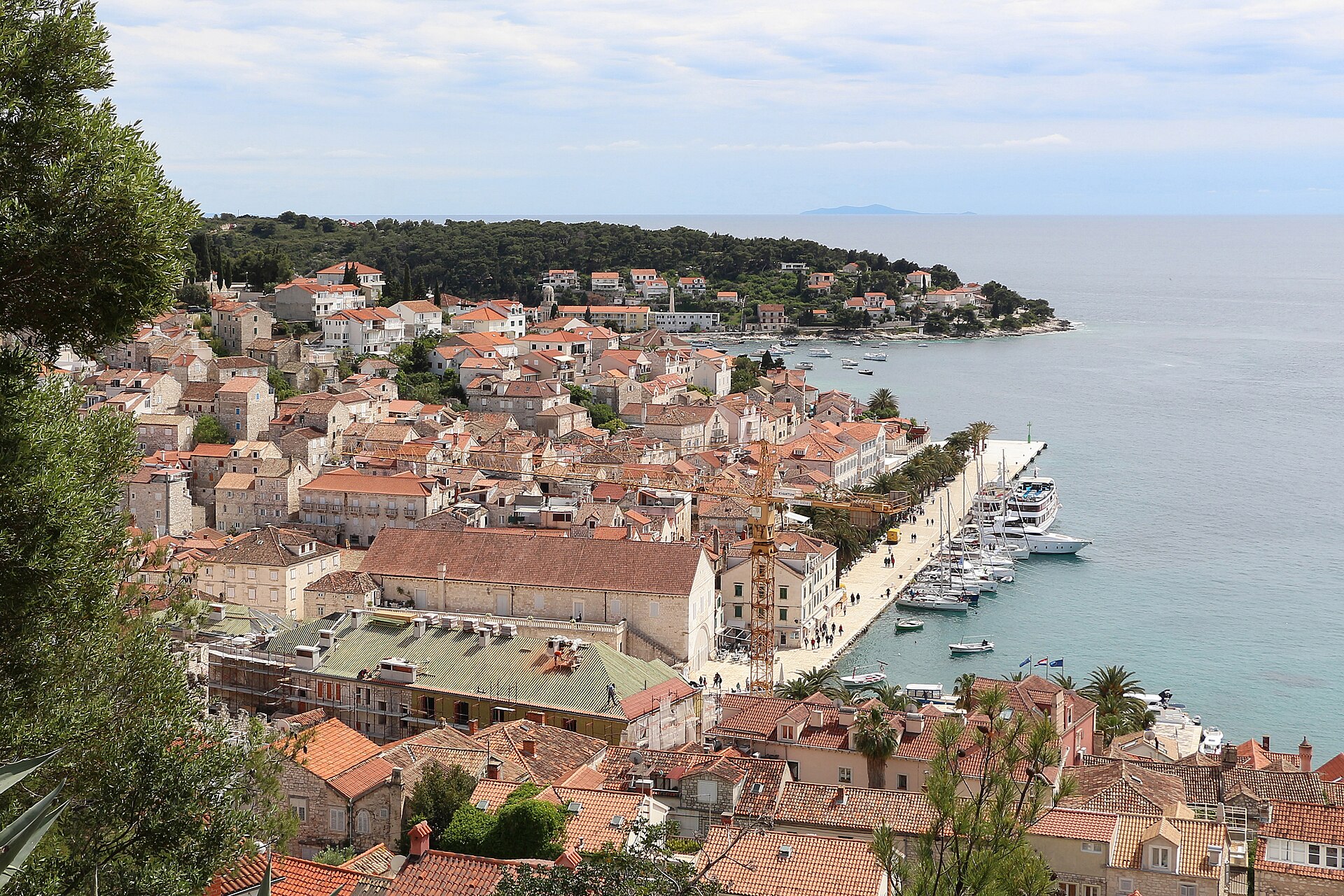
Hvar is Croatia’s glamour island. The harbour fills with yachts, the Renaissance square buzzes until late, and the fortress above town has one of the best sunset views on the Adriatic. If your group is here to party, this is your night. If not, Hvar is just as lovely for a long dinner and a quiet drink.
Day 6: Pakleni Islands and Bol
Just off Hvar Town, the Pakleni Islands are a string of pine-covered islets with turquoise channels and beach bars. Spend the morning swimming, then sail on to Bol on the south coast of Brač. Its long spit of shingle, Zlatni Rat, changes shape with the wind and current. The afternoon breeze here is also popular with windsurfers.
Day 7: Back to Split
A final morning sail brings you back to Split, and you disembark by 10:00. Most flights back to the UK leave in the afternoon. If yours is later, you have time to wander the old town once more or head for a beach in the city.
Like the sound of this loop? Pre-register for 2027 and secure your preferred Saturday.
See the Split & Hvar weekWhen is the best time to sail in Croatia?
Our Croatian weeks run from May to September. Each month has its own character.
- May: green islands, quiet harbours and air temperatures around 21 °C. The sea is still fresh, so bring a shorty wetsuit if you feel the cold.
- June: our favourite. Long days, around 10 hours of sunshine, warm water and fewer crowds than high summer. The late-May half-term week is a smart choice for families.
- July and August: peak season, with the warmest sea and liveliest nightlife, but busier anchorages and higher flight prices. This is when most UK families with school-age children travel.
- September: the sea is still around 22 °C, the light is golden and the harbours calm down. Ideal for couples and groups of friends without school constraints.
The Adriatic has two famous winds. The maestral is a pleasant north-westerly afternoon sea breeze in summer, perfect for sailing. The bura (bora) is a strong, gusty north-easterly that can blow up quickly. Your skipper watches the forecasts every day and will pick sheltered anchorages, so you never have to worry about it yourself.
How much does a Croatia sailing holiday cost?
Croatia is one of the best-value sailing destinations in the Mediterranean. These are our 2027 prices, skipper included:
| Route | Airport | Cabin per person | Whole boat per week |
|---|---|---|---|
| Split & Hvar | Split (SPU) | £770 | £5,480 |
| Kornati & Krka | Split (SPU) | £690 | £5,130 |
| Dubrovnik & Elafiti | Dubrovnik (DBV) | £860 | £6,000 |
Split a whole boat between ten friends on the Split & Hvar route and the boat and skipper come to about £548 each for the week. On top of that, budget for the on-board kitty, usually €150–250 per person, which covers food, drinks, fuel and marina fees, plus your flights. Our how it works page explains the kitty and payment plan in detail.
Getting there from the UK
Split is served by direct seasonal flights from a range of UK airports, including several London airports and regional airports such as Manchester, Birmingham, Bristol and Edinburgh. Schedules and airlines vary each season. The flight from London takes around two and a half hours. Dubrovnik also has direct flights from the UK in summer, which makes the southern route just as easy.
From Split Airport, the marina is roughly a 30-minute transfer, depending on traffic. We can arrange airport–marina transfers as an extra, which is handy for groups arriving on different flights.
Documents for UK travellers
Croatia is in the EU and the Schengen area. British passport holders need a passport issued less than ten years before the date you enter, and valid for at least three months after the day you plan to leave. Stays are limited to 90 days in any 180. The EU’s Entry/Exit System now registers non-EU travellers at the border, and the ETIAS travel authorisation is due to follow, so check the latest GOV.UK travel advice before you fly.
Do I need any sailing experience?
None at all. Every Poseidon Week boat comes with a licensed skipper who handles navigation, mooring and safety. You can be as hands-on as you like. Many guests love learning to steer, trim the sails or tie a bowline. Others never leave the sunbed, and both are fine.
It is worth knowing that if you wanted to charter a boat without a skipper in Croatia, at least one person on board would need a recognised skipper’s licence, such as an RYA Day Skipper with an ICC, plus a VHF radio certificate. With a skipper included, that requirement simply does not apply to you.
Other Croatian routes to consider
Kornati & Krka: national parks and waterfalls
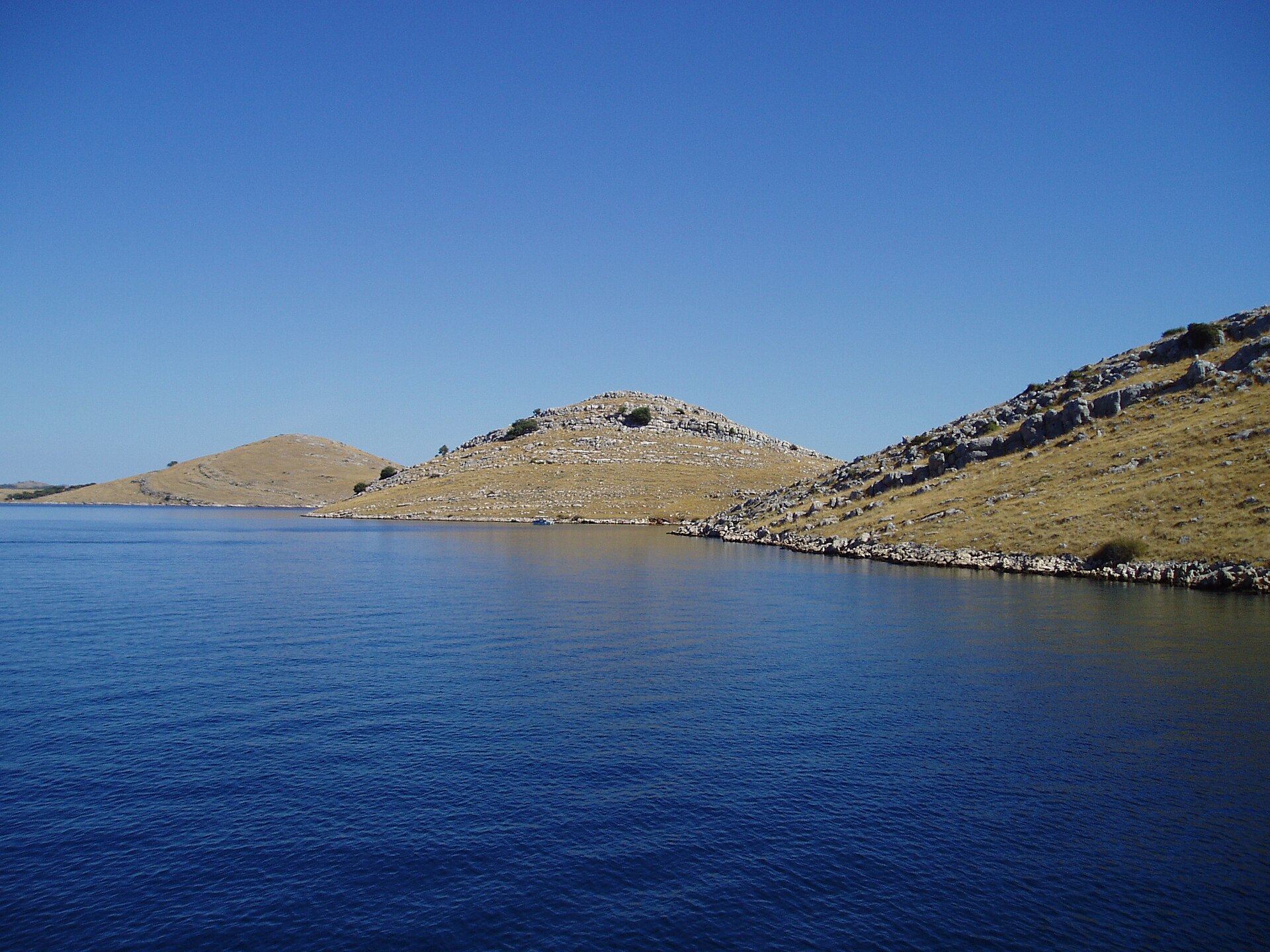
Starting from Šibenik, our Kornati & Krka week sails up the river to Skradin for the waterfalls of Krka National Park. It then heads out to the stark, lunar islands of the Kornati archipelago and Telašćica Nature Park. It suits nature lovers and anyone who prefers starry anchorages to nightclubs, which makes it a great fit for our Nature & Adventure week.
Dubrovnik & the Elafiti: walls, oysters and Mljet
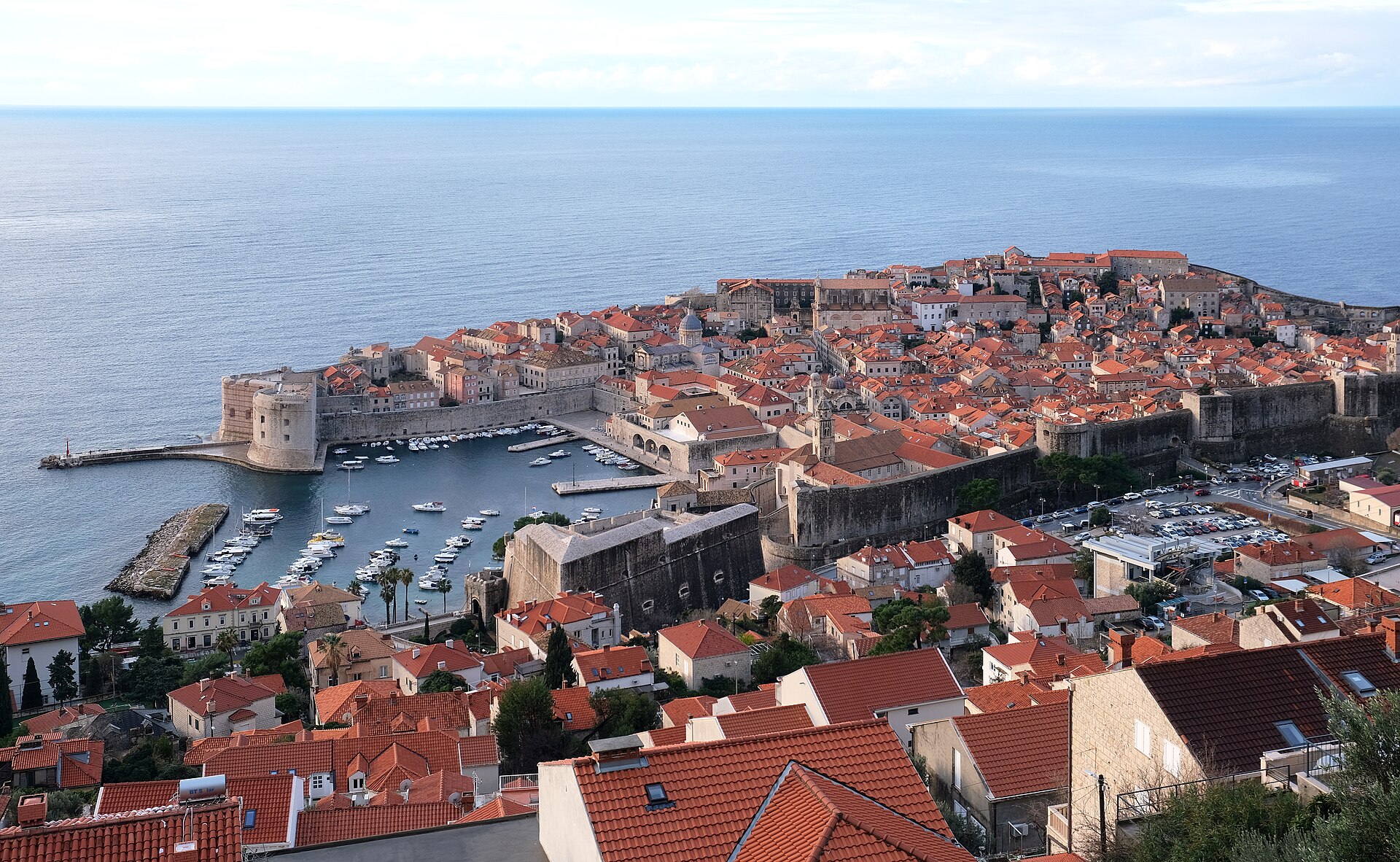
The Dubrovnik & Elafiti week starts beneath Dubrovnik’s famous city walls. It then explores the car-free Elafiti islands, the national park on Mljet, the medieval town of Korčula, and the oyster beds of Ston. It is perhaps the most romantic Croatian route, and a natural pick for a Romance week or honeymoon.
Which week type suits your group?
The same route can feel completely different depending on who is on board:
- Friends and birthdays: lean into Hvar’s nightlife with a Party & Festival week.
- Families: shorter passages, long swim stops and plenty of beach time on a Family week.
- Couples: quiet coves, sunsets and dinners in Vis on a Romance week.
- Teams: Croatia’s short hops are perfect for a Business week mixing work sessions and team sailing.
Eating and drinking along the way
Food is one of the great pleasures of sailing in Dalmatia. Many bays have a family-run konoba with its own jetty or mooring buoys, where you can tie up, swim and then sit down to grilled fish, octopus salad or a slow-cooked peka, meat or octopus baked under a bell-shaped lid covered in embers. Peka often needs ordering a few hours ahead, and your skipper will know which places are worth the call.
Vis is known for its wines, particularly the white Vugava. Hvar has vineyards that have been tended for centuries, and Brač is famous for its olive oil and the white stone used in buildings across the region. If your group enjoys food, ask about adding food and wine tastings as an extra.
Most groups have breakfast and lunch on board, paid from the kitty, and eat out for dinner. Shopping in island supermarkets and bakeries is easy, and fresh fruit and tomatoes from local markets in summer are superb. Want someone else to handle the cooking? A chef or host on board can take care of it all.
What to pack for a Croatian sailing week
- Soft holdall rather than a hard suitcase, since space on board is limited and soft bags stow easily
- Reef-safe sun cream, sunglasses with a strap and a wide-brimmed hat
- Water shoes, as many Croatian beaches are pebbly and sea urchins are common on rocks
- A light jumper or windproof for evenings and breezy sails
- Snorkel and mask if you have your own; we can arrange water toys too
- A smart-casual outfit for a night out in Hvar or Dubrovnik
Croatia opens in 2027, and the best summer Saturdays go first. Get your name down now.
Explore sailing in CroatiaFAQs
When is the best time for a sailing holiday in Croatia?
June and September offer the best balance of warm sea (21–22 °C around Hvar), long sunny days and quieter harbours. July and August are warmest (around 24 °C sea) but busiest.
Do I need a sailing licence to sail in Croatia?
Not on a skippered week. A licence such as an RYA Day Skipper/ICC plus a VHF certificate is only required if you charter a boat without a skipper.
How long is the flight from the UK to Split?
Around two and a half hours from London. Split has seasonal direct flights from many UK airports.
How much does a Croatia sailing week cost?
Our Split & Hvar week costs £770 per person in a cabin or £5,480 for the whole boat, skipper included, plus a kitty of around €150–250 per person.
Can I book Croatia now?
Our Croatian routes open in 2027 and pre-registration is open, so you can secure your preferred dates now.